
Sharp Shooter
Design breakdown
Lock and load
While developing this project, I realized the weapon-switching loop was too slow; players had to find physical pickups to swap gear, which killed the combat's momentum. My goal was to implement a more fluid inventory system that supported rapid, tactical switching while maintaining the framework I had already created. Drawing inspiration from Fallout 4 and The Evil Within, I implemented a dynamic inventory system using Scriptable Objects to store weapon data and C# Lists to manage the active arsenal. I programmed a custom input handler that mapped key bindings to each weapon, ensuring that new pickups were automatically added and immediately accessible. This overhaul transformed the combat experience into a fluid, high-octane loop. By eliminating technical friction, I enabled players to make split-second tactical decisions, successfully aligning the final product with my vision for a modern, responsive shooter.
Evening the odds
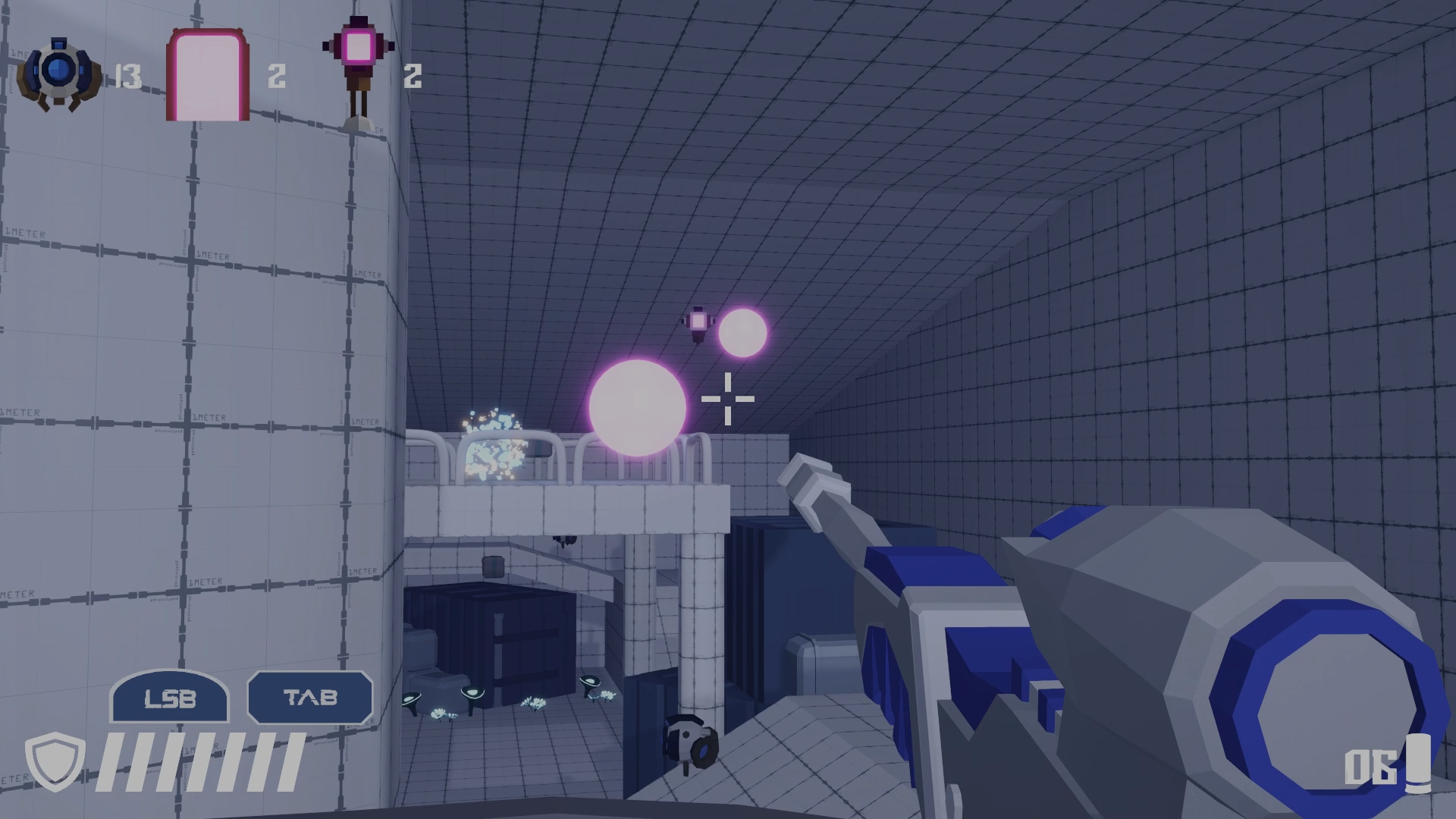
During the development of a weapon-switching system, I identified a UX challenge: communicating a complex inventory without cluttering the screen during high-intensity combat. I aimed to design a minimalist, responsive UI that provided vital data at a glance, ensuring the interface enhanced the combat flow. Drawing inspiration from the HUD in The Evil Within, I replaced a static corner-HUD with a toggleable, centralized overlay. I architected the system to dynamically populate by pulling data from a C# List of Scriptable Objects. By automating the mapping of icons and stats to input keys, I removed the need for manual configuration. This centralized approach maximized screen real estate and significantly flattened the learning curve. The automated connection between the UI and inventory created a robust, error-proof system that allowed players to strategize and swap weapons seamlessly.
Let them in
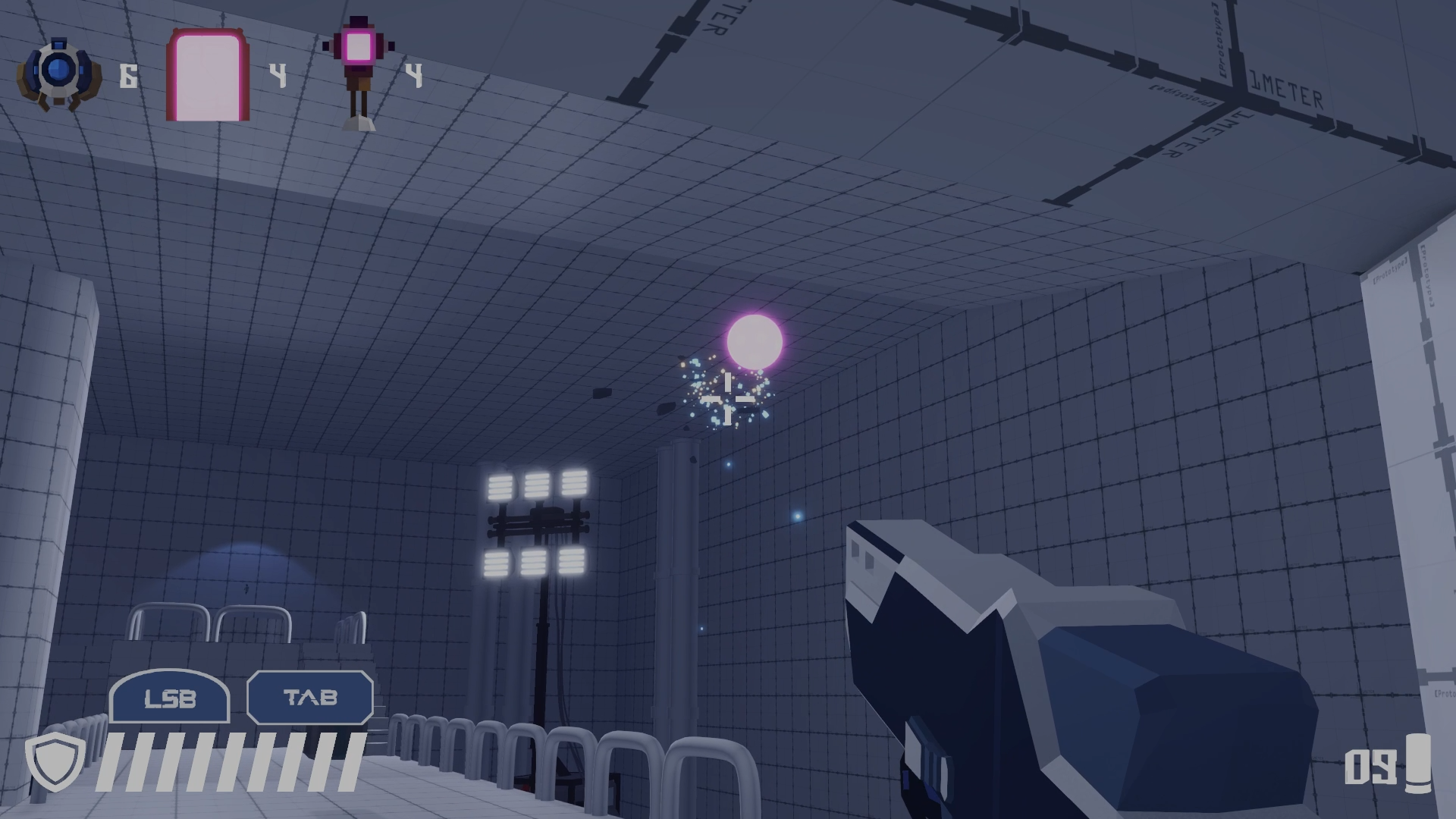
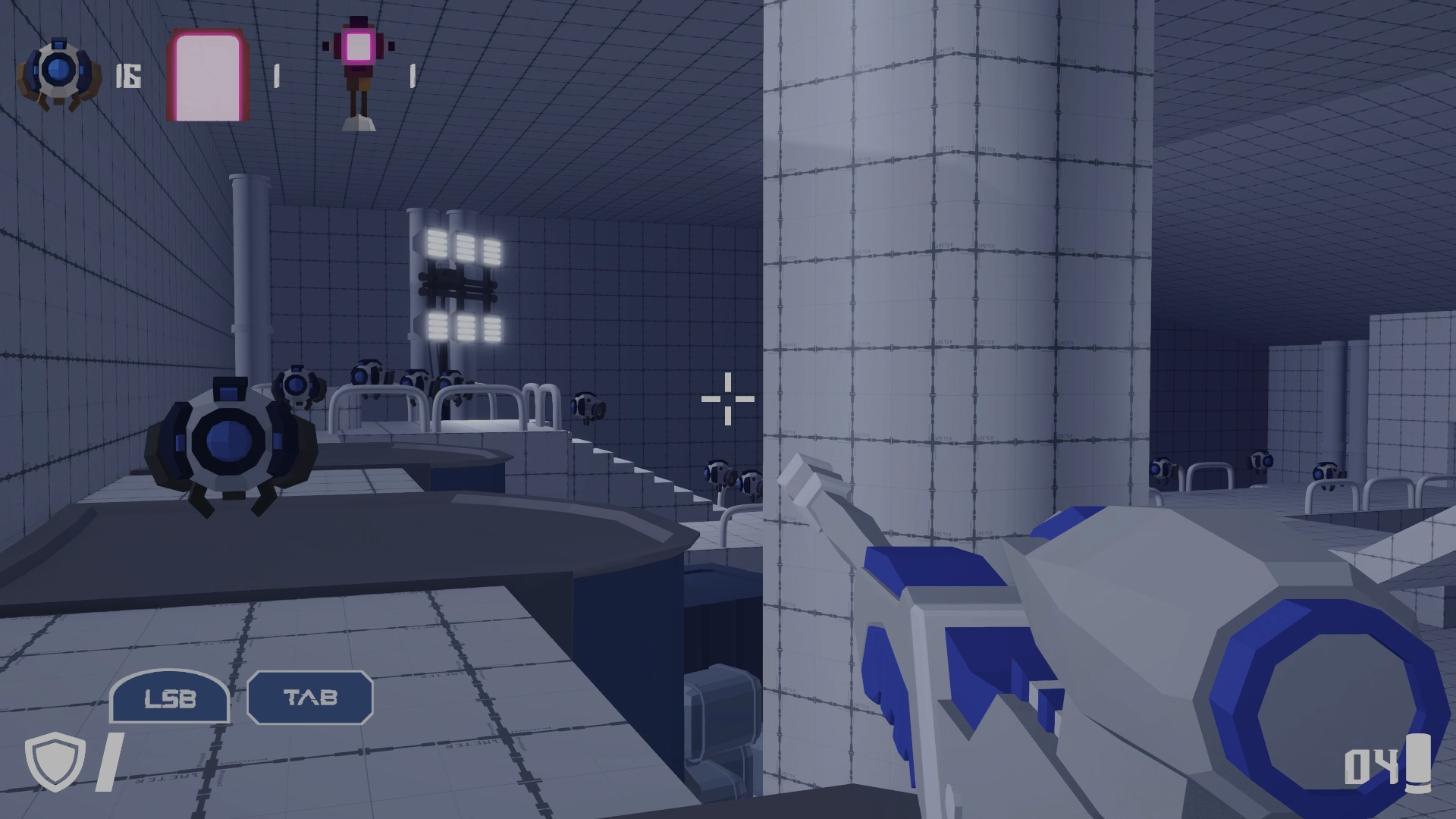
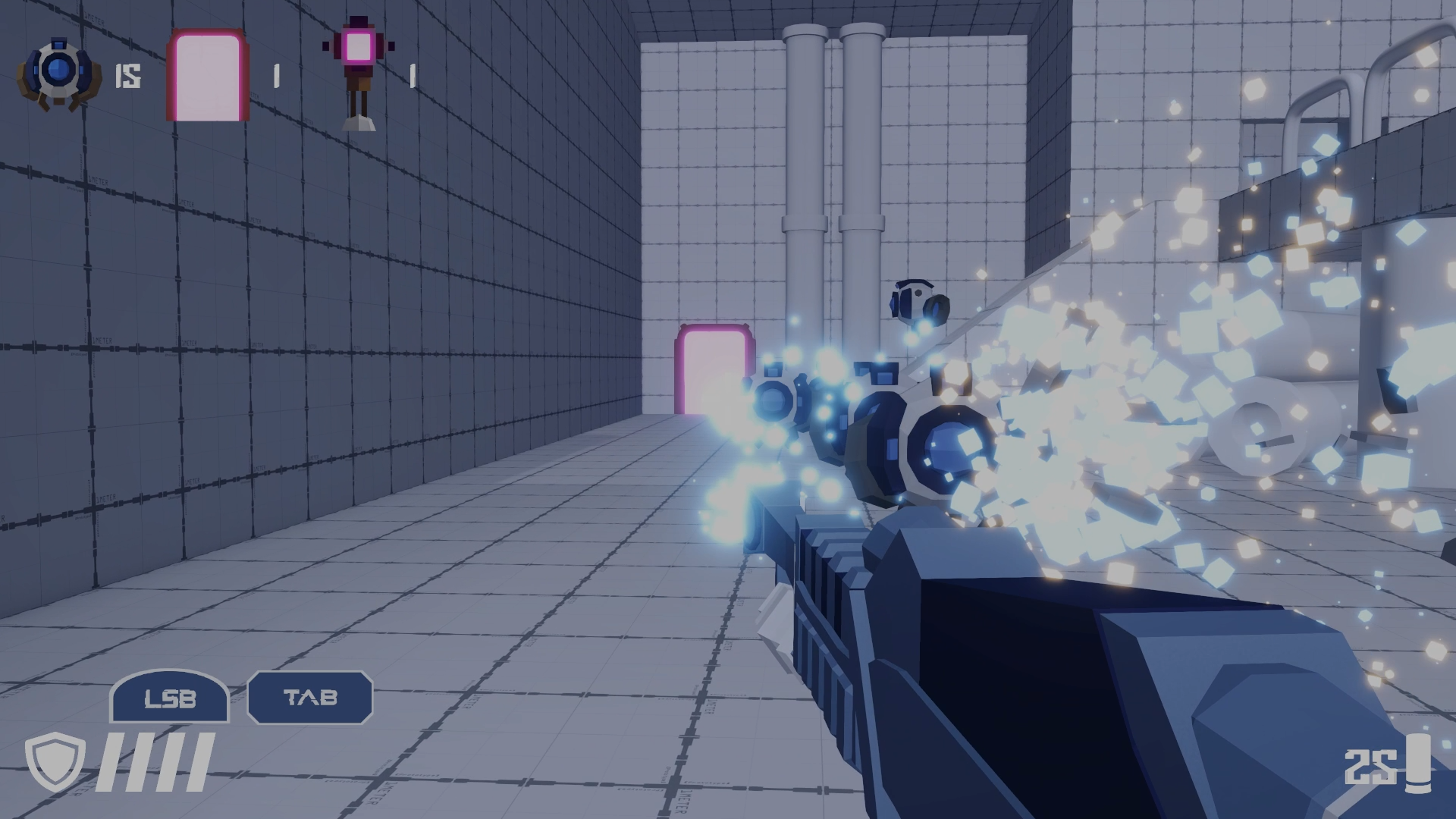
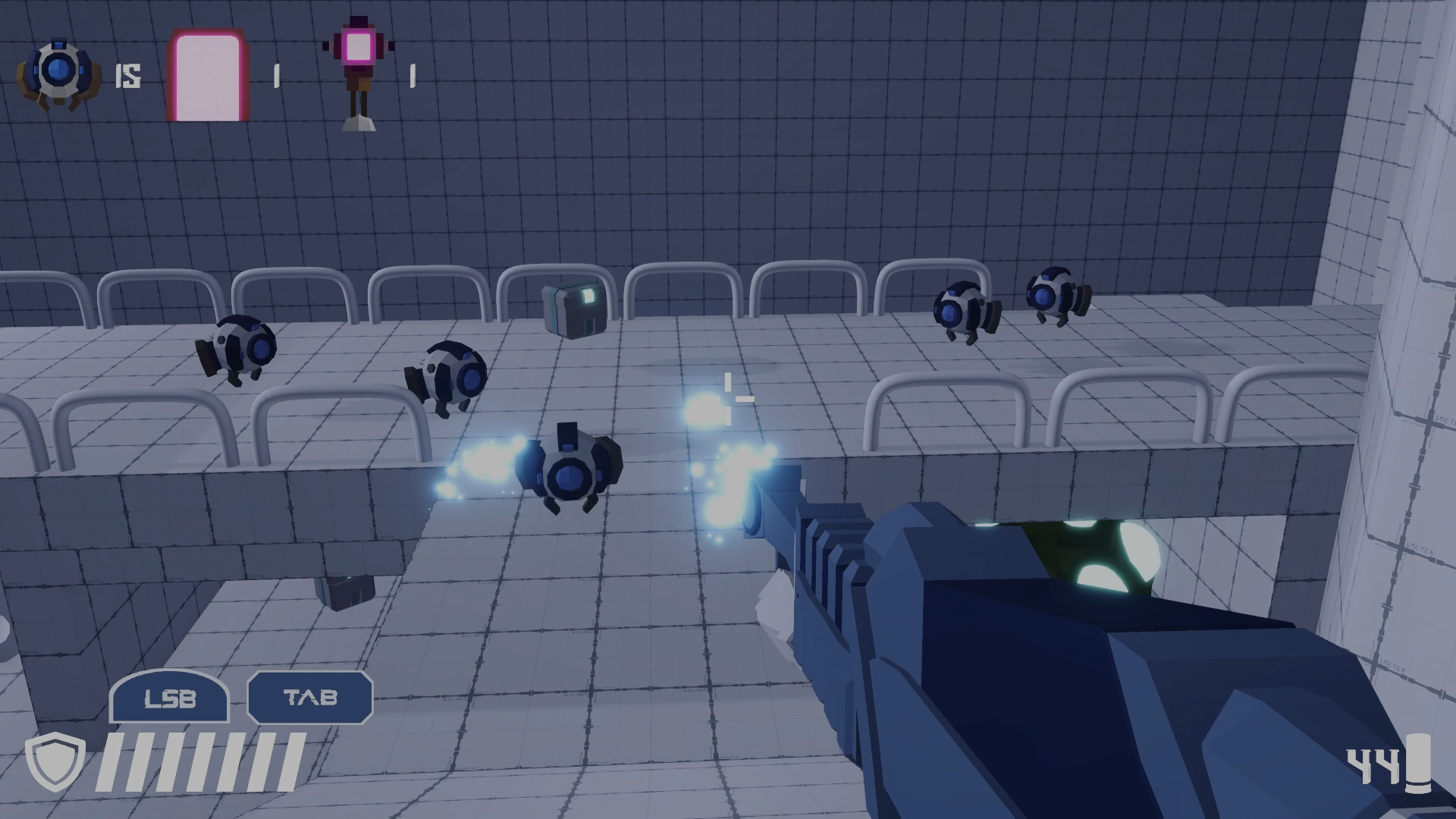
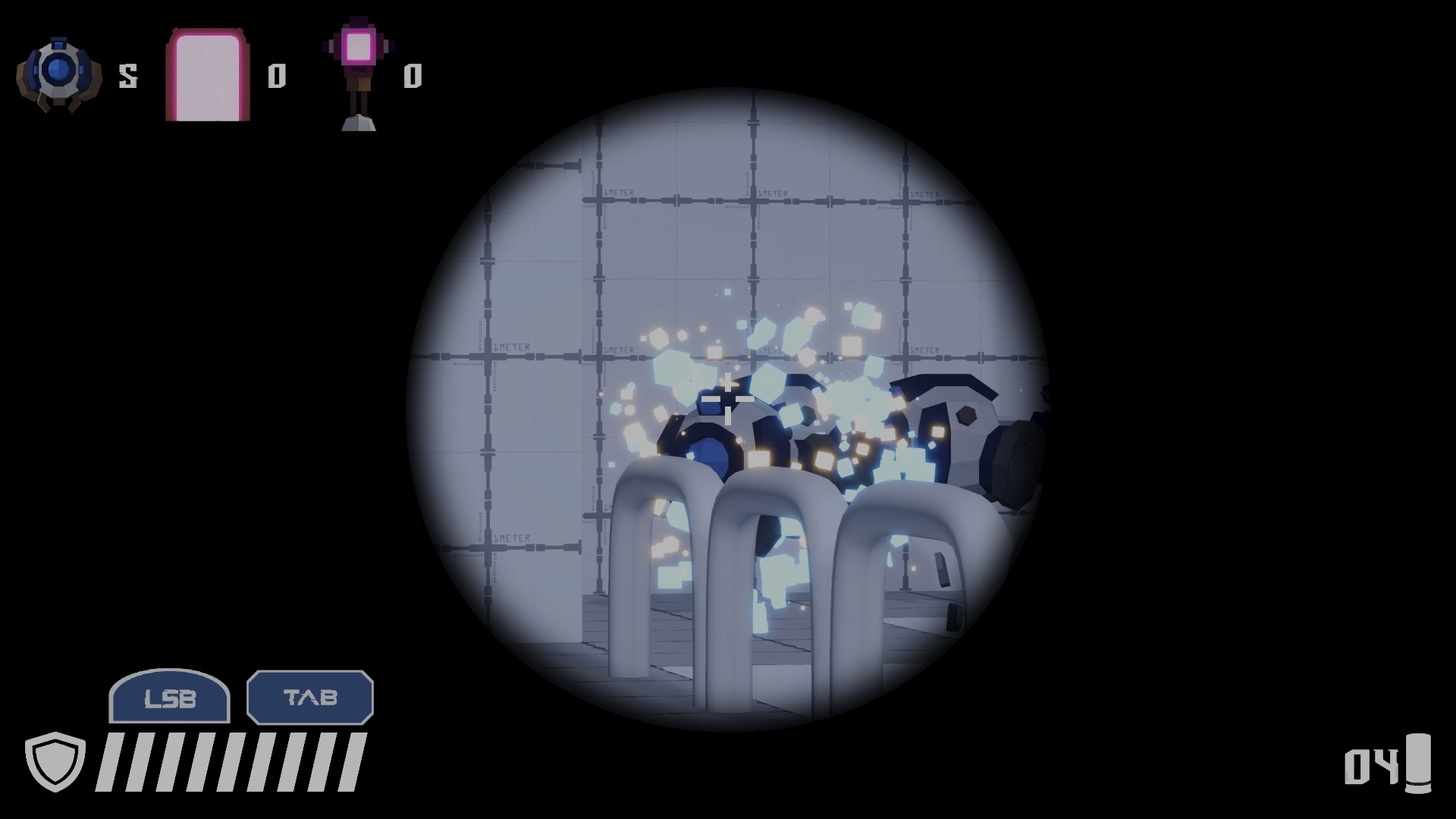
While designing the combat experience within a predefined arena layout, I aimed to create encounters that encouraged constant mobility and strategic prioritization. Utilizing spawner gates that produced exploding 'suicide' units, I placed three gates in the corners to create a 'pincer' effect and a fourth in a central high-traffic area to disrupt safe zones. These enemies acted as dynamic area denial, forcing the player to stay mobile. By making the gates destructible, I introduced a critical risk-reward tension: players had to choose between neutralizing immediate threats for survival or focusing fire on the gates to stop the wave. This dynamic successfully transformed a static shooting gallery into a multidimensional combat puzzle that rewarded aggressive movement and target prioritization.
Under Surveillance
During development, I recognized that the initial combat layout was strictly horizontal, allowing players to focus entirely on ground-level threats and making the encounter feel one-dimensional. I wanted to introduce verticality and force the player to manage their field of view between multiple threat planes. To achieve this, I implemented a 'high-low' turret configuration: four ceiling-mounted turrets acted as aerial hazards while a fifth grounded 'anchor' served as a central focal point. This anchored the player's attention, forcing them to split focus across multiple threat planes and break their horizontal bias. When integrated with the exploding enemy spawners, it created a multi-layered combat puzzle that required high-level spatial awareness. Players could no longer look forward; they had to navigate ground-based area denial while simultaneously managing vertical threats, which significantly deepened the arena's tactical complexity.