Charting Uncharted’s Legacy
As of this month, the Uncharted series was revealed to the world 20 years ago, and the conclusion to Nathan Drake’s story turned 10 years old. I have spent this month replaying the series that has played a major role in my decision to pursue game design as a career. My first real introduction to the series was around 2010, when my brother showed me Uncharted 2. I was thoroughly impressed by the sheer cinematic quality the game displayed. Up until this point, most of my gaming experience had been limited to movie tie-in games and more casual experiences. Don’t get me wrong, there were some really fun games that I enjoyed, like the Harry Potter and Mario games, but when Uncharted 2 came around, that was groundbreaking for me, and I was immediately sold on the PS3 and Uncharted.
Later that year, Uncharted 3 was announced, and my brother and I were super excited. I think prior to finding out, I was watching 2008’s Sherlock Holmes, and I believe it was the first game that I was on board with since the announcement. After playing Uncharted 2, I knew Uncharted 3 was going to be special, and a year later, we finally got to play it together. Before this, my brother would usually play games on his own, and I’d miss much of the story, but Uncharted 3 was the first game we completed side by side. It took us about a week. The memories from that experience are especially strong for me. In hindsight, the campaign was decent but considered a weaker entry in the series; the real draw for me was its multiplayer mode. Even now, I haven’t found an online mode that rivals Uncharted 3’s. I spent hundreds of hours on it, including participating in early betas, such as the Subway one. In 2012 or 2013, when I got my own PS3, Uncharted 3 was the first game I played. Ironically, the Game of the Year Edition was released shortly after I bought my PS3 with Uncharted 3. I regularly revisited the multiplayer until the servers were shut down in 2019. Its chaotic gameplay was incredibly fun, and if you knew the maps and strategies well, you could stay competitive even as a solo player.
Not too long after I got my PS3, the PS4 got announced, and then the next Uncharted game. It was a day to remember, though once again, I found out the day after when I saw it on YouTube. My brother, by this point, had moved out and was on a trip to California, and we talked a bit about the news and what we thought about it. It would be a while until we got more news, but when E3 2014 finally came around, I finally got to experience my first live reveal of an Uncharted game, and it looked amazing. Later that winter, we got to see gameplay and our first look at Nathan’s brother, and by then, I was a sophomore in high school doing robotics after school. E3 2015 was equally impressive when they showed off drivable vehicles and the epic Madagascar chase sequence. The first half of that demo was incredibly impressive, and how can we forget the iconic stage fright moment, but when we saw the full chase sequence, it further elevated expectations for Uncharted 4. Those two CGI trailers that we got closer to launch were also sick and really got people excited about the upcoming release in May 2016. When the game came out, one of my friends from robotics bought it for me. It was a great gesture and one that meant a lot to me. I then proceeded to beat the game in three days.
Now that we have gotten through my personal stories regarding the mainline Uncharted games, I would like to look back at how the series has evolved over time. I will be going over all the console games: Uncharted: Drake’s Fortune, Uncharted 2: Among Thieves, Uncharted: Golden Abyss, Uncharted 3: Drake’s Deception, Uncharted 4: A Thief’s End, Uncharted: Lost Legacy, and what I like and dislike about them.
Let’s start with Drake’s Fortune. The game is pretty standard when compared to later entries and feels like an action-adventure film of the time. Hero gets caught up in an adventure with a possible love interest and an older mentor. The gameplay is rough at times, mainly due to the melee combat feeling rather stale compared to modern titles. There is depth in the melee system because the game tells you that if you use heavy attacks, more ammo will drop, but when it comes to actually playing the game, I never really make use of the heavy attacks and just spam square. The gun combat is also pretty wonky, as the studio went for a more zoomed-out aim offset that maintains the same amount of zoom regardless of weapons. The only expectation is the sniper rifle with the player looking down the scope.
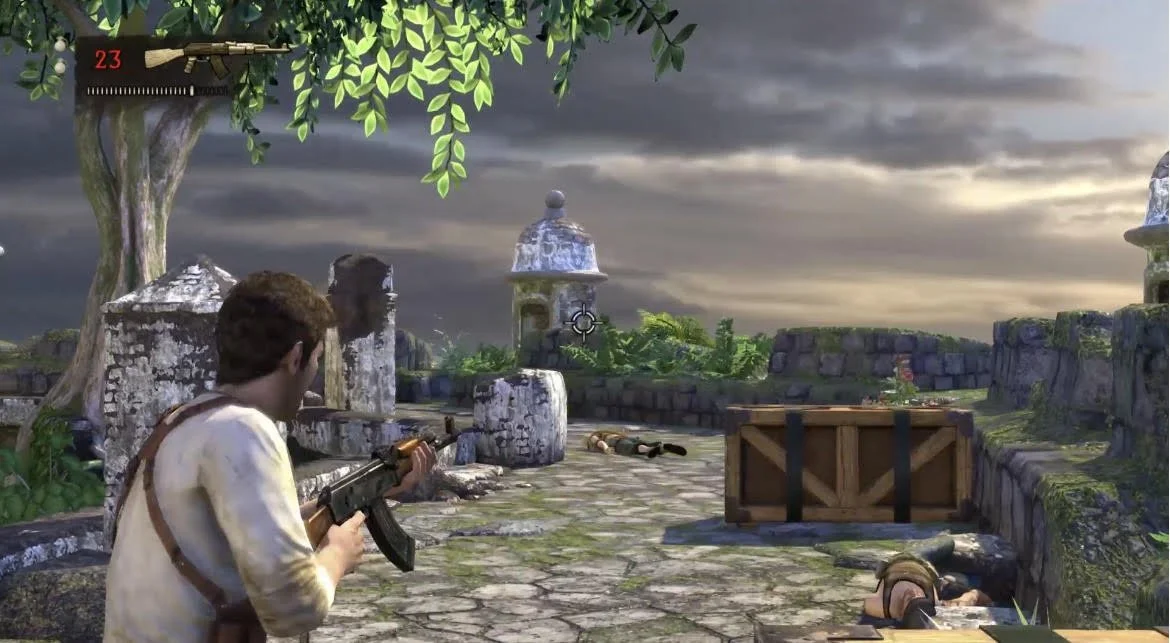
Outside of combat, the game excels in being a well-paced story that keeps the player engaged. Upon replays of the game, I often find myself taking about 1-2 days to complete the story mode. I usually split my playthroughs into 2 sessions. I usually have the split occur when the descendants appear, but my most recent playthrough took a day with a break in between. The characters and writing of this game feel straight out of a movie, and the set pieces could easily be seen in an Indiana Jones film. Overall, this game is extremely fun to play.
Uncharted 2 : Among Thieves turns everything up to 11. The game literally starts with a cliff hanger and works its way up to the very moment you see at the game’s start, and keeps going. The combat is much cleaner and cinematic, with the heavy attack input now being a counter button. Melee encounters feel more dynamic but also scripted at times. For instance, you throw a punch that lands, you counter, and then you knock the guy out with the next punch. The slowdown effect does a lot of the heavy lifting to make the combat feel more cinematic; without it could feel like a half step from the first one. The gunplay feels a lot better, and you can properly aim down sights with assault rifles. The story is also extremely well-paced, but unlike the first, the game is best enjoyed over a few sittings. I speak from experience here because if you try to rush through it, it can feel tedious. In my opinion, the tedious nature comes from how rigid the combat encounters are. The game has a stealth system and stealth takedowns, but most of the time, combat encounters devolve into shooting galleries. Even if you try to sneak past encounters, the game will spawn some enemies to kill you before you can exit the encounter. The most notable case I have seen of this happening is in the train wreck encounter before you meet Tenzin. The game makes up for this shortcoming by having some of the best set pieces in the series, expanding the world of the series, and introducing more emotional stakes into the deepening relationships between the characters. I also love how this game uses foreshadowing, environmental storytelling, and the mythology of the yeti.
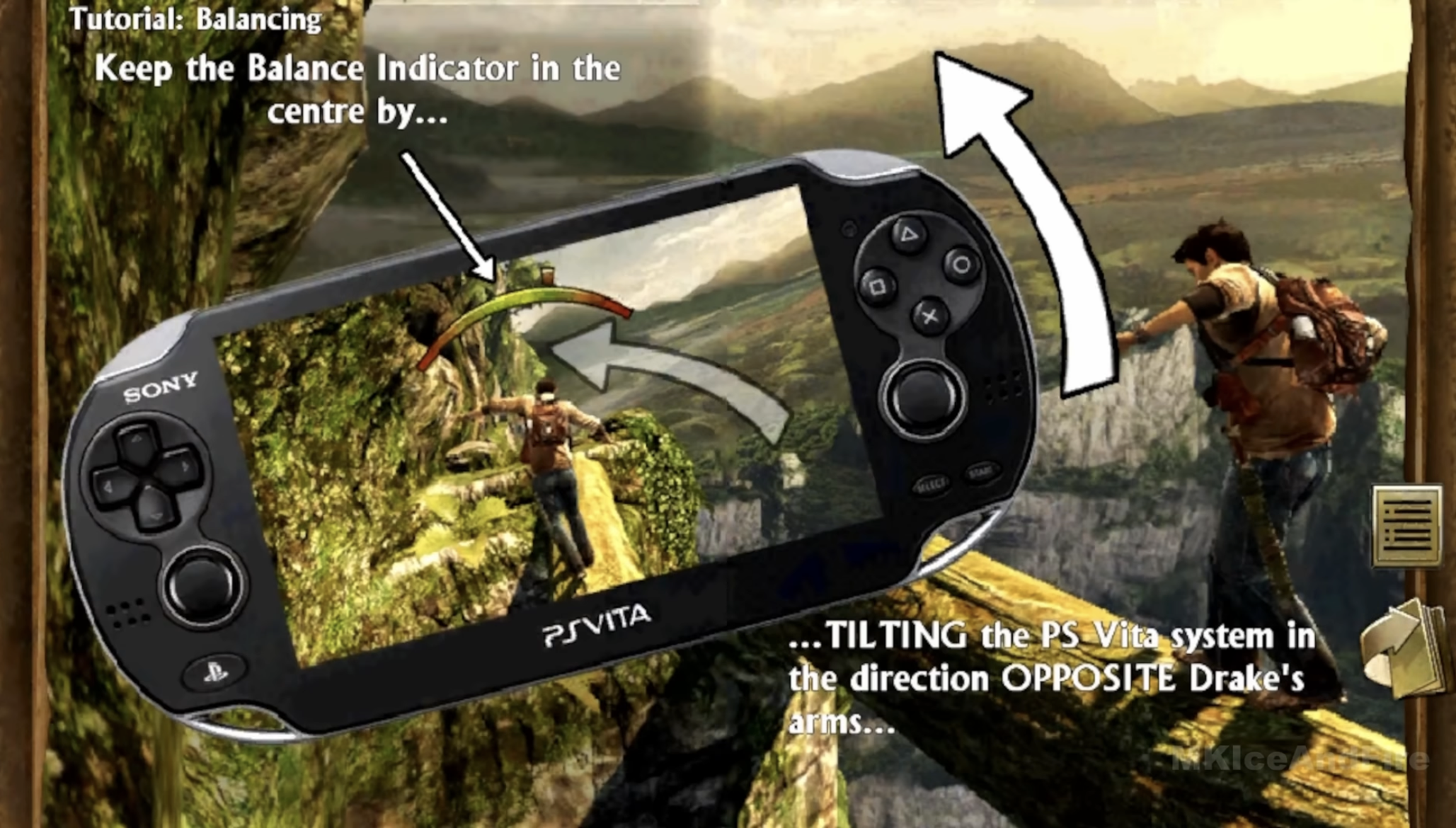
When it comes to Uncharted Golden Abyss, it stands out amongst the series; it’s the only game in the series not made by Naughty Dog and is the only one within the series to release on a portable console. Due to the platform that it was released on, I wasn’t able to play it until much later, but I still consider it to be worthy of the name. The game was developed using Uncharted 2’s framework due to how the nature of the melee combat feels, but unlike in 2, the assault rifles can’t be zoomed in to get better shots. This is one of the few problems I have with the game from a gameplay perspective. I think where Uncharted Golden Abyss stands strong is with its puzzles and collectibles. These systems make great use of the PlayStation Vita’s built-in features. I found the charcoal rubbings and cleaning artifacts to be very fun, and I was a bit disappointed that they only appear in one game, considering the touch pad on the DualShock 4. One thing I wasn’t really crazy about was the Vita’s features, such as the gyro controls. I found these features to be rather annoying when crossing logs and aiming with the sniper rifle. Titling the system every time you cross the log got dull fast, and lining shots with the sniper became tedious because a slight movement could throw your shot off.
As for the story of Golden Abyss, it’s serviceable. When I first played the game, I was a bit disappointed that there was no supernatural element to the game, but upon further replays, I have grown to appreciate that it holds off on doing that. It wouldn’t make that much sense down the line when Nathan Drake encounters the Descendants in Uncharted Drake’s Fortune. The relationship between Nate and Sully is great in this game and really hammers down the point of Sully being much wiser than Drake pretty well. You really get to see the mentorship between these two pretty well. Marisa Chase is an interesting character and is a nice foil to Drake’s action-adventure nature. I liked how she’s just an archeologist who has been caught up in the middle of this chaos and is just trying to solve what happened to her grandfather. There are times when her character writing feels a bit off at times, particularly when she gets a bit darker and starts pulling out guns on Jason Dante (the secondary villain). I get where they were going with her arc, but it just didn’t quite land. Speaking of Dante, he reminds me a bit of Eddy Raja from Drake’s Fortune and, funnily enough, Rafe Alder from Uncharted 4, and shows a lot more insight into the greater world-building of Uncharted by being a past employer of Drake.
Uncharted 3 is another weak spot when I look at the series as a whole, but it’s also the best in terms of gameplay when looking at the original trilogy. To me, Drake’s Deception puts the focus on trying to one-up the set pieces seen in Uncharted 2, and I would say that the game mostly succeeds in that goal, but the pacing suffers as a result. The game jumps around a lot; we go from England, France, Syria, Yemen, a ship graveyard, and the Rub' al Khali, and finally to Ubar. When you compare it to past games, you see about maybe three different changes in scenery . Drake’s Fortune mainly takes place on a tropical island. Among Thieves sees you travel from Istanbul, Borneo, Nepal, the Himalayas, and Shambhala. In the case of Among Thieves, they hide the transition between Nepal and the Himalayas in such a way that you don’t even question it, and from there it’s straight to Shambhala. Another weakness of Drake’s Deception is that the story has a lot of unanswered questions. I can narrow it down to about three sections: the events surrounding Talbot in Syria, what’s up with the spiders, and why wasn’t Drake rescued by Sully after being drugged?
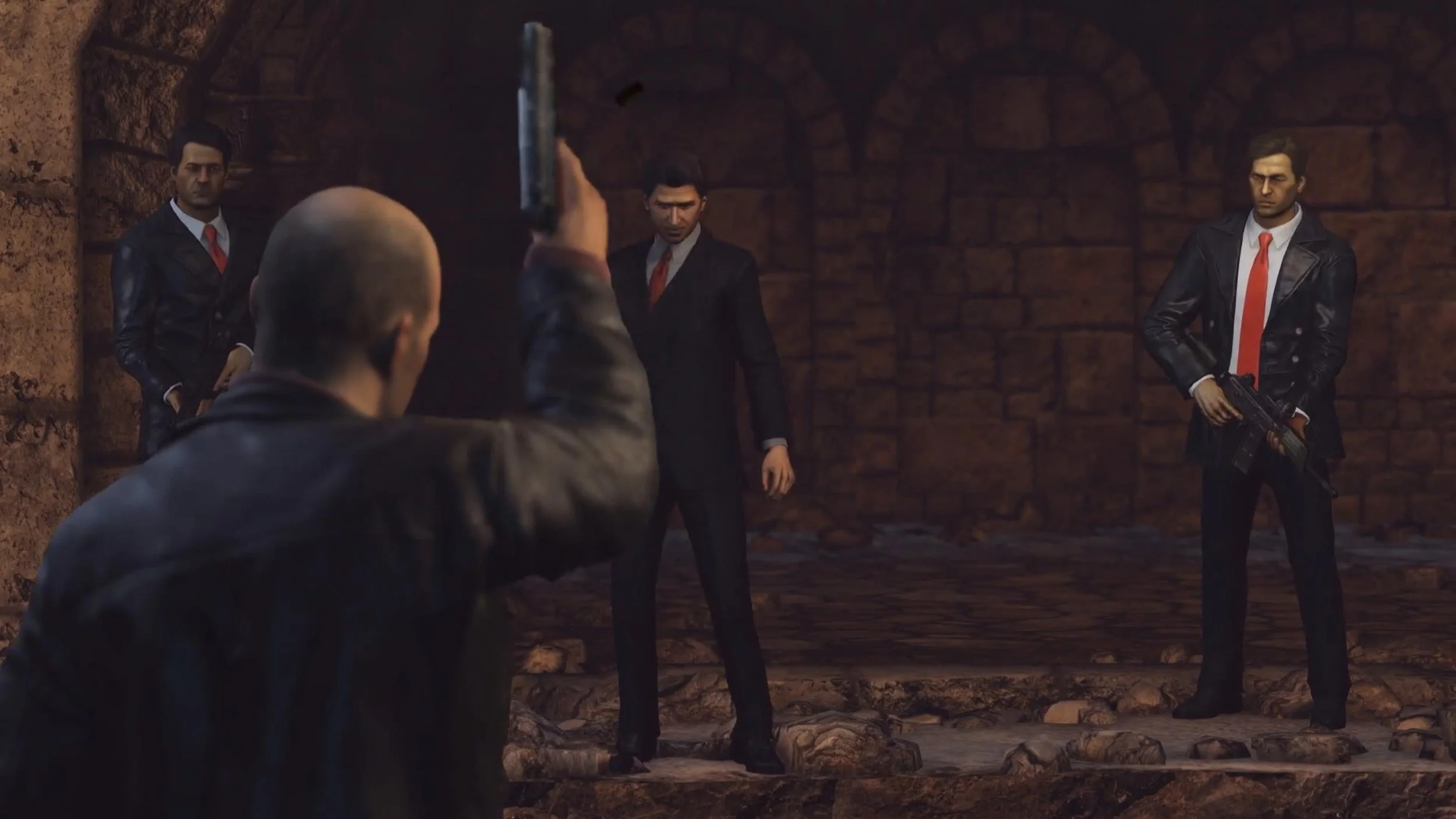
Despite these weaknesses, there are elements to this game that resonate with me. The themes of obsession are explored in a way that feels fresh, and it’s interesting to see all of Drake’s allies question him and try to talk him down from going forward with this adventure. The only ally who pushes Drake to go forward is the newcomer, Charlie Cutter, who has personal reasons to see the villains lose after breaking his leg after jumping from a tower. Speaking of the villains, Marlow, Talbot, and Rameses bring something unique to the table. Marlow knows how to get under Drake’s skin, Talbot is Drake’s equal when it comes to alethic ability, and Rameses can match Drake’s banter. Talbot is also the most dislikable villain in the series because I spent most of the game ready to punch the crap out of him with the dynamic melee combat that is inspired by the fights usually seen at bars.
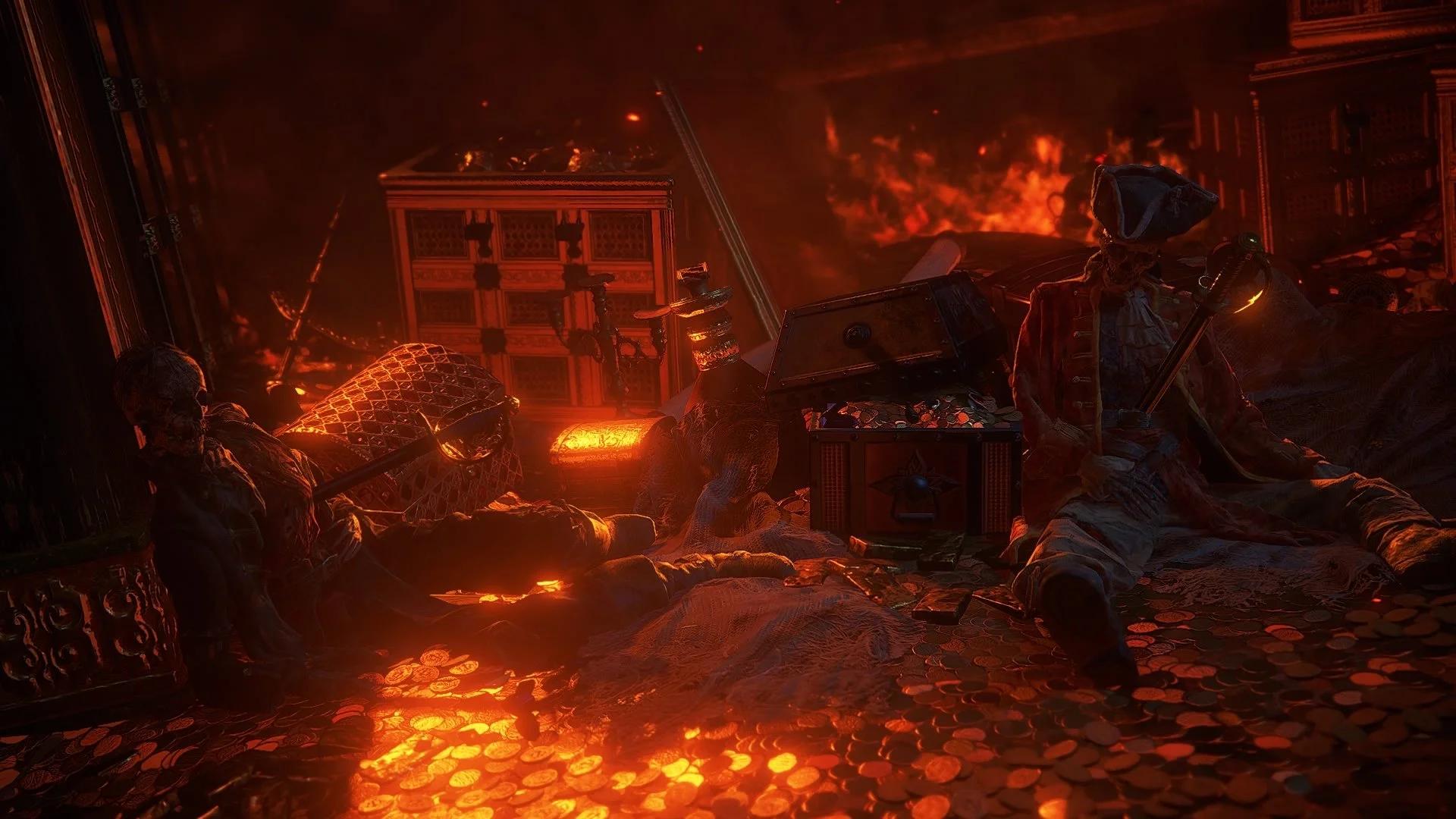
Uncharted 4: A Thief's End is complete different story, and it’s hard for me to find flaws in the game. If I can say anything negative about it is that it’s not as well-paced as Among Thieves, but the story it tells is much more focused and mature. After the events of Uncharted 3, we see that Drake has matured from the treasure hunter we knew beforehand and has settled down with Elena. We can see that he still has the drive for adventure, but doesn’t want to put his life on the line anymore until his brother comes back into his life, and that’s where the game really shines. The game’s story focuses on showing a mirror to Nathan Drake’s actions through his brother. Sam lies to Nate to get him back in the treasure hunting game and continues to test his luck by trying to get as close to the treasure as he can. I also love how these themes are also reflected in the adventure when the player gets to Libertalia, learns that Henry Avery went insane over treasure, and how it caused his pirate utopia to fall when everyone turned on each other.
From a gameplay perspective, the gameplay loop is the best it’s ever been in the series; gone are the forced combat encounters that make the gameplay loop feel like going from one shooting gallery to the next. Instead, combat encounters are more nuanced due to the addition of the state machine, driving the enemies to be much more advanced. Before, once an enemy saw you, it would trigger all out combat with no opportunity to get back into stealth, but in A Thief’s End, not only can you go into stealth once detected, but it’s also possible to bypass entire encounters if your stealth skills are up to par. However, when you do engage in open combat, the game still feels like a blast to play. The gunplay has been improved, and each weapon feels great to use. My personal favorite loadout is the MRKX .45 and COPPERHEAD SR7 due to the sound of their gunshots, fire rates, and recoil.
The biggest improvement to the combat in A Thief’s End is the verticality of the encounter areas. The verticality is really on display in the later chapters of the game when you reach Libertalia. The encounters in that section are a great display of the multiple routes and playstyles you can take. You can go all out and shoot everybody down, sneak around, or a mix of the two, and there is more than one path that you can use to achieve your goal. If you can sneak past all combat encounters in these chapters, you get a trophy, which I feel is a good test of player skill and encourages players to make attempts.
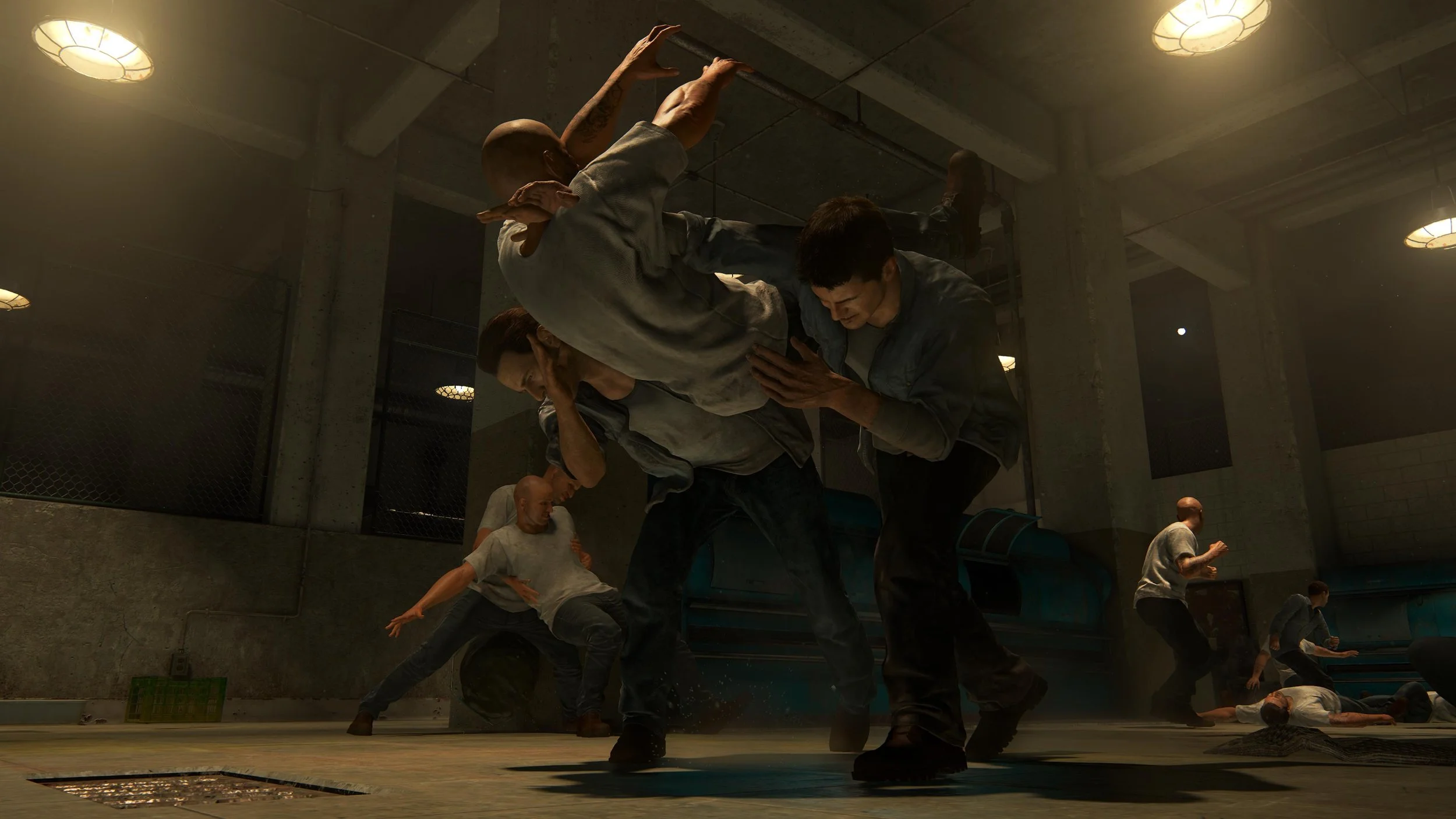
The one weak aspect of the combat system is the melee system. The system isn’t necessarily bad, but it is a step down from the bar-fighting style seen in Drake’s Deception. Don’t get me wrong, that combat system had its problems, especially when it came to grabbing an enemy and rolling, but the foundation was strong. Instead, we get a weird hybrid between the melee systems of Among Thieves and Drake’s Deception, where the melee combat feels more scripted, but enemies can still grab you as they did in Drake’s Deception. Another key difference is that your AI companions can join in the fight, and you tag-team enemies. They can also help you when you get grabbed by enemies.
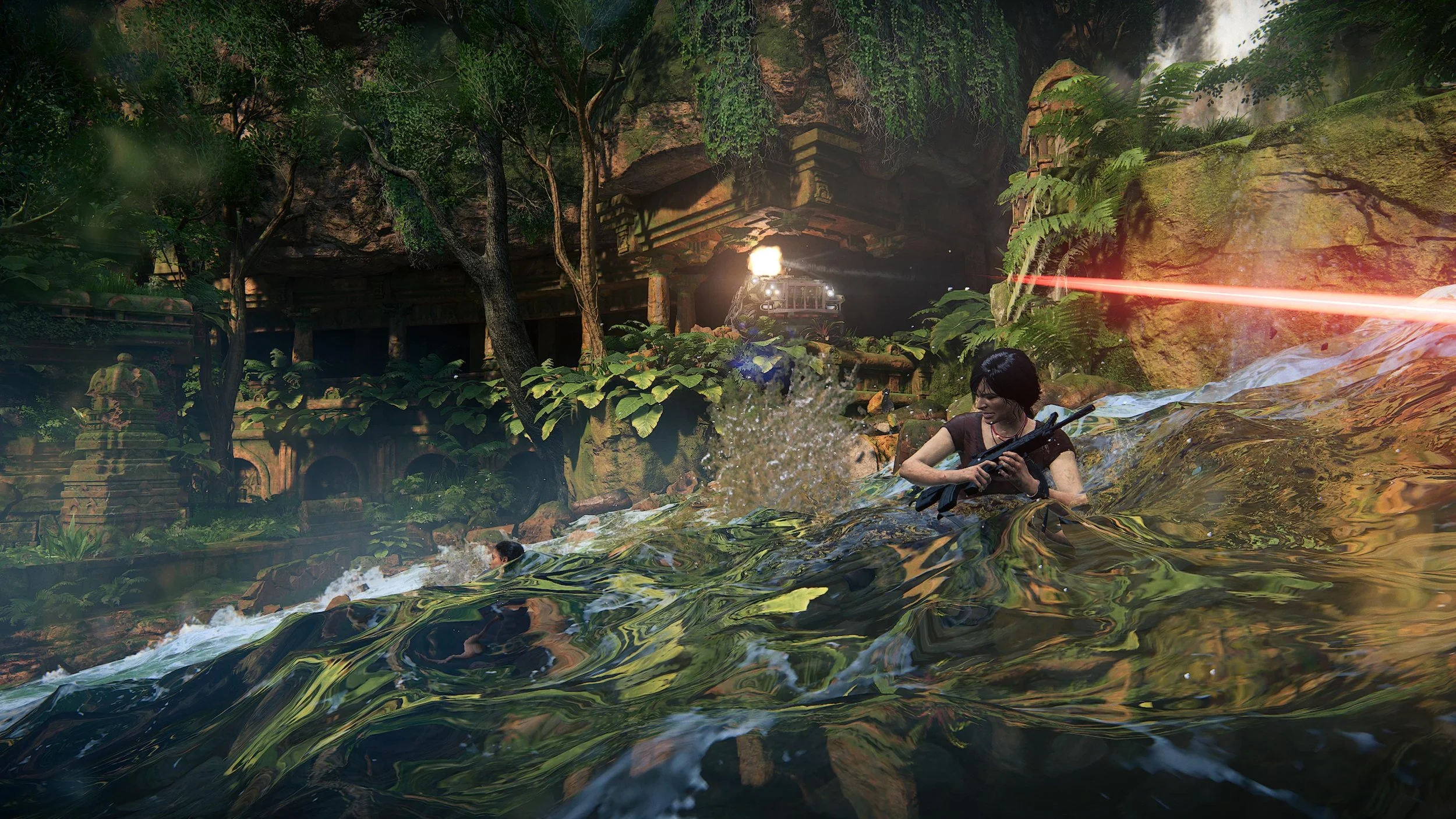
Another standout among the Uncharted series is Uncharted Lost Legacy, which was originally going to be DLC for A Thief’s End but eventually grew into its own full-scale project. The game is a bit shorter and more in line with the pacing of Drake’s Fortune, where there’s not a ton of jumping around in the story. Outside the first two chapters, the game follows a straight path with no real jumps as Chloe Frazer and Nadine Ross look for the Tusk of Ganesha in India. The game is a lot more grounded and personal than the rest of the series, with the driving motivation of the adventure being Chole trying to follow her father’s footsteps, and Nadine trying to get back on her feet after the events of A Thief’s End. Sam is also in the game, but I feel like his character is a bit off. In A Thief’s End, he was more serious and intense, but in this story, he’s more humorous and more like his brother. I understand that they have to have a comic relief character, but I am not sure if Sam was the right pick. I would have loved to see someone like Charlie Cutter or Sully be a part of this game. I do like the tension that Sam brings into the story, though.
The gameplay of Lost Legacy is pretty similar to A Thief’s End with a few tweaks here and there. Chole has a different fighting style than Nathan and favors kicks over punching. The gunplay is more or less unchanged from A Thief’s End, with a few new weapons added in, like a silenced pistol. The silenced pistol is a personal favorite because I like stealthily moving around, and having a ranged weapon that doesn’t alert enemies is a helpful tool.
Exploration in Lost Legacy has been greatly improved. In A Thief’s End, they introduce the concept of these open linear levels that can be seen in Chapter 10 and Chapter 12, but one of the flaws of these areas is that they didn’t really have much outside of collecting treasures and following the linear story beats. In Lost Legacy, they have one open area in the game called the West Ghats, but instead of the linear design Uncharted is known for, this feels a lot more open-ended. The goal of this chapter is to activate 3 switches to unlock a gate to the next area, and you can go to them in any order. Outside of these switches, the area offers a hunt for tokens that unlock an item that helps you find treasure throughout the game, and the tokens are marked on your map to help you find points of interest more easily.
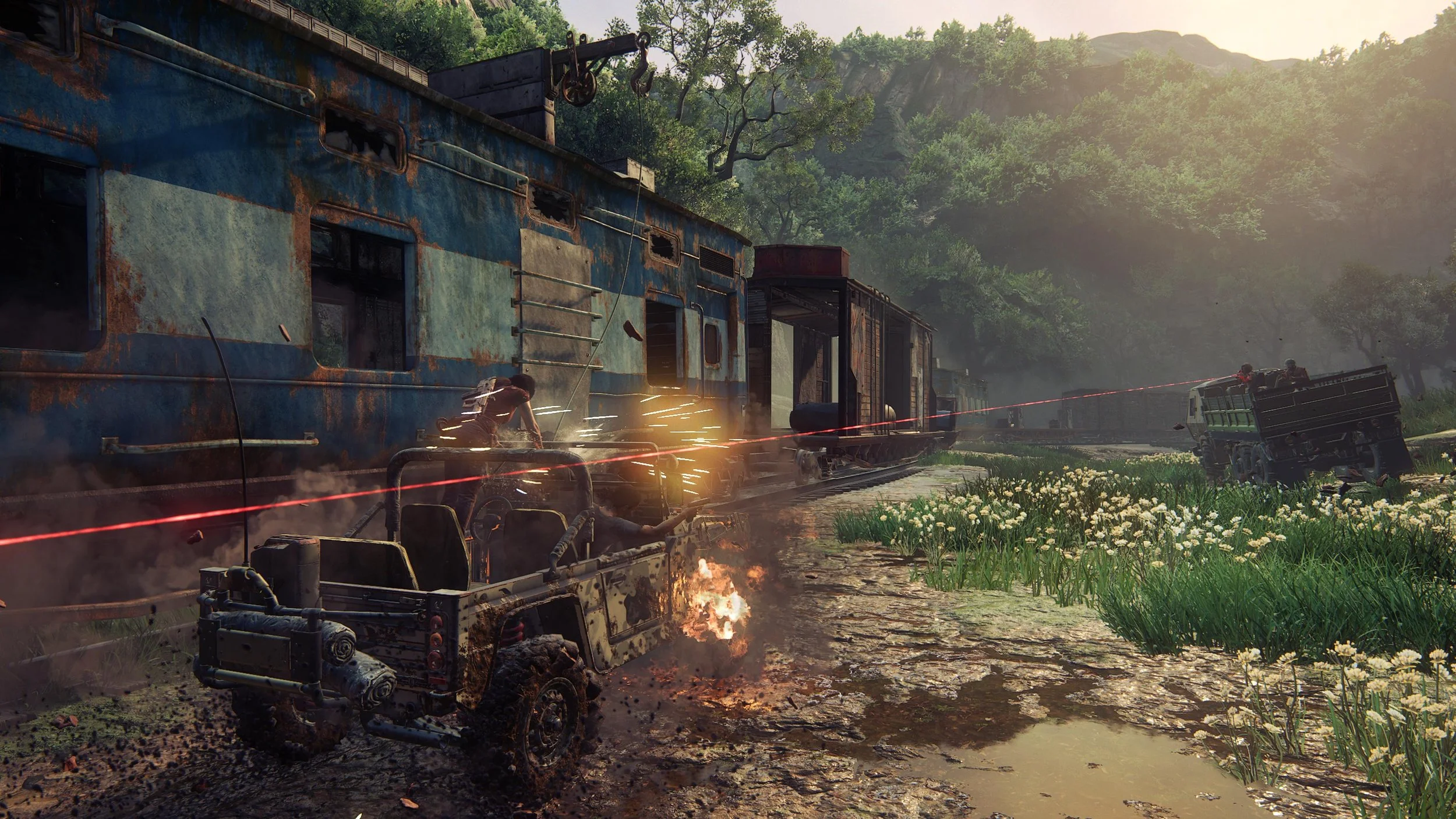
Another area that Lost Legacy has improved over A Thief’s End is the set pieces. The set pieces in A Thief’s End were good, but I feel like it was a game where Naughty Dog was trying to redefine what an Uncharted set piece was. They had gone pretty crazy with set pieces in Drake’s Deception by having a burning building, a sinking ship, chase sequences, a crashing plane, horseback sections, and escaping a crumbling city. The set pieces in A Thief’s End seemed tamed in comparison with the craziest piece being the one in chapter 11. However, in Lost Legacy, we start seeing a return to some pretty insane sequences. The standouts are the helicopter sequence and the train set piece at the end of the game. I love the homage that Naughty Dog did with the train set piece; it’s a nice homage to Among Thieves, but it takes it next level by having the player jump between vehicles and use the grappling hook as they progress through the chapter. It’s an amazing way to cap off the game and the series as a whole.
However, even the smaller set pieces that don’t rely on complete chaos are impressive as well. The set pieces that include the APCs are particularly strong. The set piece in chapter 5 is a section that brings the great encounter design seen in A Thief’s End and adds an obstacle that you can’t destroy and must avoid while also managing ground forces that are shooting at you. This section is very memorable to me because it adds a sense of real tension to the encounter and forces you to adapt on the fly. Another smaller set piece that I like is in later chapter where you another APC stalking an area and you have to find a way to destroy it. You can sneak around and find C4 to use to blow it up, or you can go loud and use RPGs to handle the situation. When I played this section for the first time back in 2017, it immediately reminded me of a game like Horizon Zero Dawn when you battle a Thunderjaw and how you have to have a plan going in and then adapt on the fly. I don’t think I have had that feeling from an Uncharted game up until this point.
Anyways I have gone through the games in the series. Over the years, these games have meant a lot to me, and I frequently return to them whenever I get the itch for adventure. I have heard some interesting rumors that there could be a new Uncharted game in the works at Naughty Dog. I have very mixed feelings about that. On one hand, I would like to have another adventure to go on, but the way that series concluded was done so well that it would be a very risky game to make. There are a ton of games that overstayed their shelf life and eventually grew stale with each new entry. I think there’s definitely some room for Uncharted to grow, but with Nathan Drake retiring and Sam Drake’s voice actor currently playing a small little character named Indiana Jones, it might be a bit tricky. Also, the voice of Sully, Richard McGonagle, retired after A Thief’s End, so it would be hard to see a new Uncharted game without him. They could always use Nate’s daughter for a new Uncharted, but I am not sure if I want to see Cassie follow in her father’s footsteps. I don’t think her parents would like that as well, seeing their lengths to keep their past adventures hidden from her. I think more adventures with Chole could be fun, but I am not really sure how that would go because the personal ties to the story were the driving force in Lost Legacy. I am pretty sure Naughty Dog has thought about all these options, and if they want to make another Uncharted, I would support it, but I am sure as hell wouldn’t want to be in their shoes.
If you've gotten this far, thanks for reading my extended thoughts on Uncharted as a whole, and remember Sic Parvis Magna.